Federal Shutdown Sparks Wage Uncertainty for 1.4 Million Workers
#government #shutdown #economy #federal_workers
Explores how the federal shutdown affects pay for 1.4 million workers, essential services, and the economy.



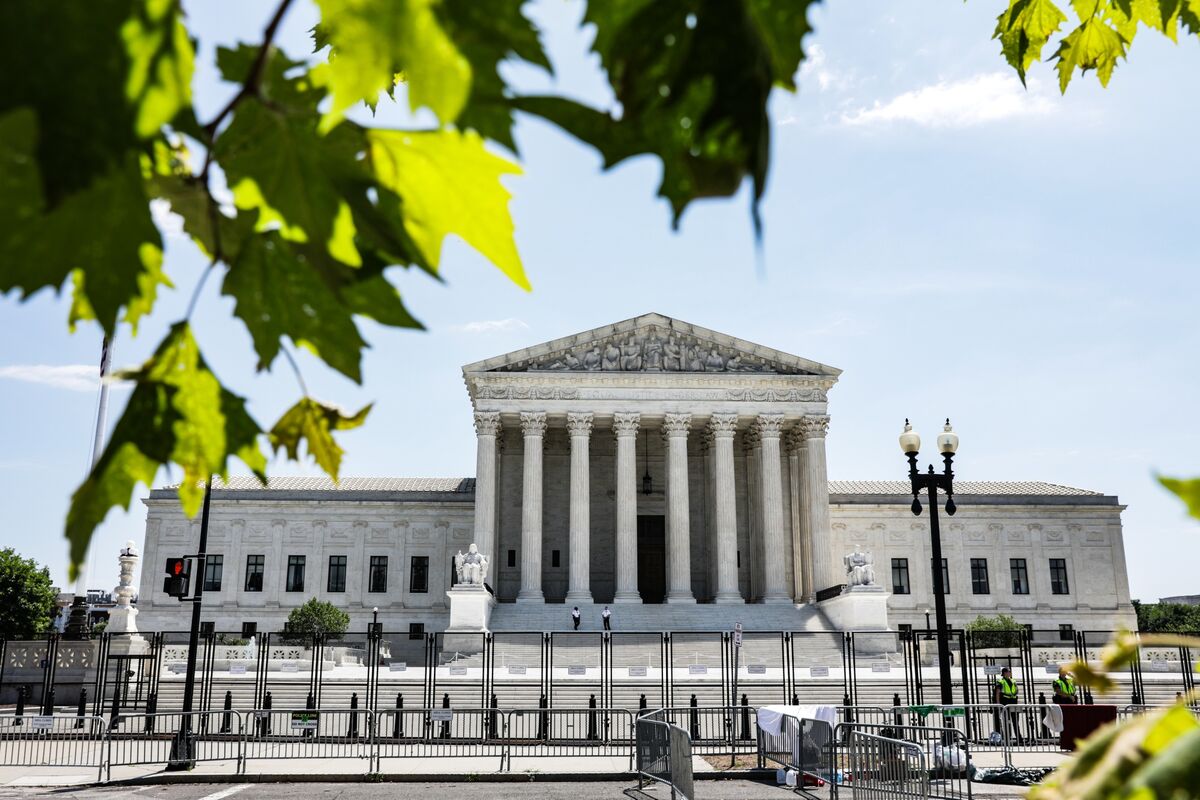
The **National Institutes of Health (NIH)** is the United States' foremost federal agency dedicated to biomedical and public health research, operating under the Department of Health and Human Services. Established in 1887 initially as the Hygienic Laboratory, it has since evolved into the largest biomedical research funder globally, with an annual budget of approximately $47–48 billion and a workforce of about 18,700 employees[2][4][7]. NIH’s mission is to seek fundamental knowledge about living systems and apply that knowledge to enhance health, extend life, and reduce illness and disability. It achieves this by conducting direct research, funding studies at universities and hospitals nationwide, training scientists, and disseminating medical information[1][2][7]. The agency comprises 27 specialized Institutes and Centers (ICs), each focused on specific diseases or biological systems, such as cancer, heart disease, infectious diseases, aging, and neurological disorders[1][3][8]. Key historical milestones include its formalization as the nation’s primary medical research agency in 1944 under the Public Health Service Act and major expansions during the mid-20th century. One of its landmark achievements was leading the Human Genome Project (1990–2003), which mapped the human DNA sequence and revolutionized genetics and personalized medicine[2][3]. NIH research has contributed to many medical breakthroughs, including vaccines for hepatitis, human papillomavirus (HPV), and bacterial infections, as well as treatments for bipolar disorder and tooth decay prevention[3]. Its intramural research program is the world’s largest biomedical research enterprise, while its extramural funding supports over a quarter of all U.S. biomedical research annually[3]. Located primarily in Bethesda, Maryland, with facilities nationwide, NIH is noted for its scientific rigor, public accountability, and fostering innovation that drives advances in biotechnology, pharmaceuticals, and healthcare. It remains a critical institution at the intersection of science, technology, and public health polic
#government #shutdown #economy #federal_workers
Explores how the federal shutdown affects pay for 1.4 million workers, essential services, and the economy.
#controversy #autism #tylenol #cancer_drug
Controversy surrounding President Trump's announcement of a link between Tylenol and autism, and a proposed cancer drug as a treatment.
#harvard #federal funding #research
Harvard University receives $46 million in federal research grants after a four-month freeze, a win for academic freedom and the pursuit of knowledge.
Whistleblower complaints reveal political interference in vaccine development at the National Institutes of Health, risking public health and the organization's credibility.
#us supreme court #medical research #national institutes of health
The US Supreme Court has allowed the Trump administration to suspend potentially millions of dollars in medical research grants that do not align with the president's policies. This decision has resulted in a divided court, with some arguing that it could have a significant impact on medical research and innovation in the country.

#supreme_court #nih #research_grants
The Supreme Court has allowed the NIH to temporarily stop making $800M in research grants, sparking controversy. The ruling has implications for future medical and scientific research.
#politics #government #funding
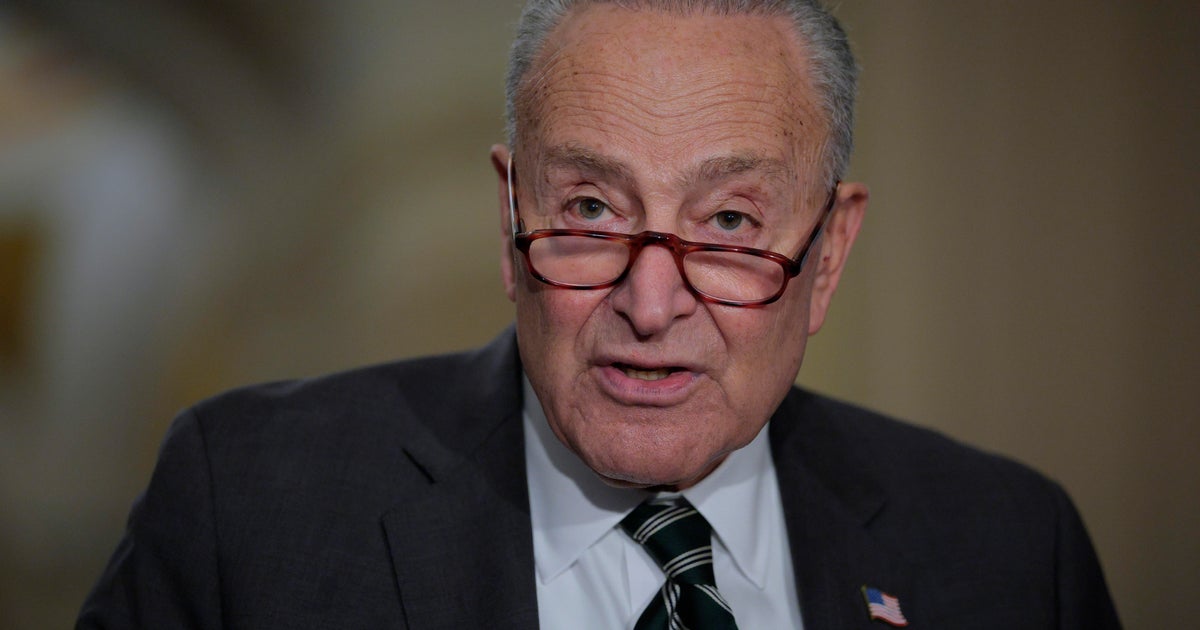
Negotiations between Democratic senators and Republican leadership result in the release of important government funds for crucial programs.

#politics #senate #rescissions #bipartisan_funding #trump
As chaos and political tension ensues, Senator Susan Collins pushes for amendments to President Trump's rescissions request and bipartisan funding negotiations.

#healthcare #medical research #political decisions #diversity #clinical trials
The impact of political decisions on medical research and the healthcare industry.